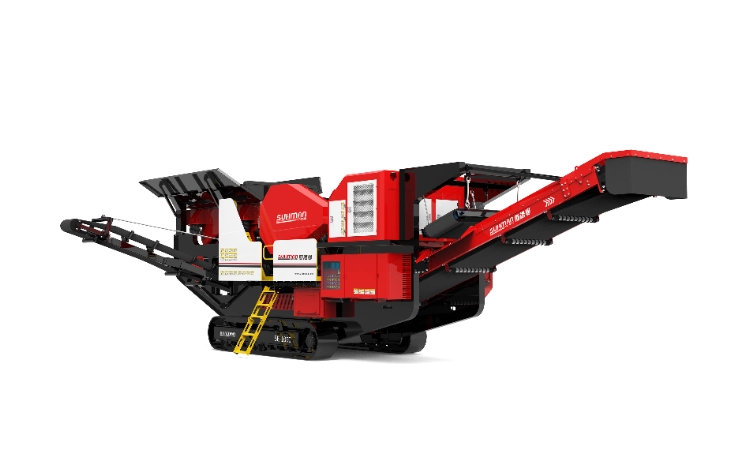



Advantages, Maintenance, and Selection Guidelines for Mobile Crushing and Screening Equipment
Advantages of Mobile Crushing and Screening Equipment
1. Strong Mobility
The mobile crushing station has a compact length and uses an independent movable chassis for different crushing equipment, reducing wheelbase length and turning radius. This allows the machine to operate flexibly both within job sites and on highways.
2. Flexible Combination
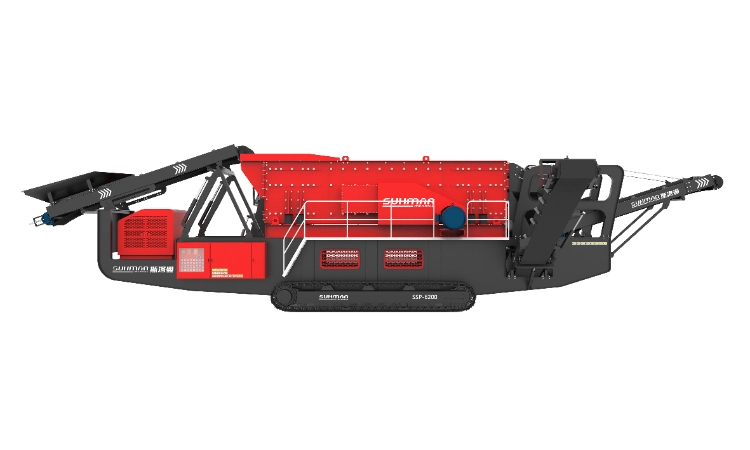
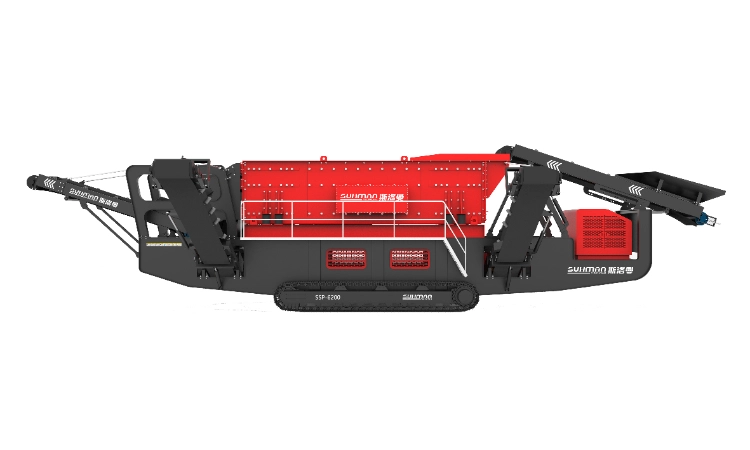
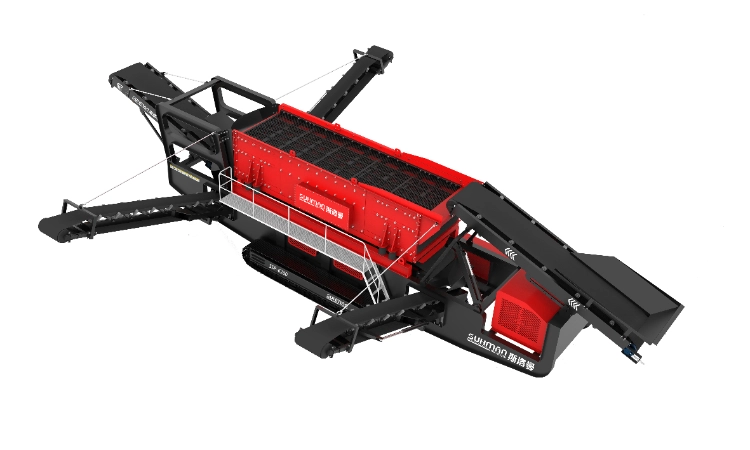
Mobile stations integrate feeding, conveying, and crushing into one installation, eliminating complex component installation and reducing material and labor costs. Its compact and efficient spatial layout improves site flexibility without occupying large areas.
3. Strong Adaptability
The mobile crushing station can be configured to perform “crushing then screening” or “screening then crushing” according to different crushing processes. It can also form two-stage or three-stage crushing and screening systems based on actual needs. Additionally, it operates independently with high flexibility during both work and transportation.
4. Low Material Transportation Costs
Mobile crushing stations process materials directly on-site, significantly reducing material transportation costs.
5. Easy Maintenance and Reliable Performance
Ease of maintenance is a crucial aspect of positive customer feedback. Mobile crushing stations have been optimized and reinforced for greater strength, better performance, and a more compact structure.
6. Direct and Effective On-site Operation
The mobile crushing station can operate independently and provides flexible machinery configurations tailored to different customer requirements. This directly and effectively facilitates logistics transfers and significantly reduces operational costs.
Maintenance Methods for Mobile Crushing and Screening Equipment
- Regularly Inspect Internal Components
Regularly inspect internal parts such as the central feeding pipe, cone cap, impeller, lower and upper flow channel liners, circumferential guard plates, and jaw plates. Promptly repair or replace severely worn parts, ensuring replacement components match original weight, model, and dimensions. - Lubrication Maintenance
Regularly lubricate friction surfaces. The lubricating grease type depends on the location and temperature conditions—typically calcium-based, sodium-based, or calcium-sodium-based greases. Clean roller bearing raceways with gasoline or kerosene before applying grease. Fill bearing housings to approximately 50% capacity, replacing the grease every 3-6 months to ensure normal operation and extend service life. - Keep Equipment Clean
Maintain cleanliness to avoid dust accumulation, oil stains, and leakages (oil, water, electricity, or dust). Prevent dust and debris from entering lubrication systems and lubricated parts, as these contaminants can damage the lubrication film and increase wear. Pay special attention to regular bearing cleaning.
Selection Principles for Mobile Crushing and Screening Equipment
- Based on Raw Materials:
The type of material, its size, and moisture content significantly affect the choice of mobile crushing station. - Based on Final Product Size:
Clearly identify the number and size specifications of the finished product needed. - Based on Production Capacity:
Clearly define daily production output to select equipment matching the required capacity. - Based on Equipment Feed Size:
The input material size (crushing ratio) determines the model of equipment selected. - Based on Discharge Material Type:
Identify whether the discharge material is graded or mixed, and whether a return system and screening equipment are required. - Based on Production Site:
Consider the available area of the production site when selecting suitable equipment.