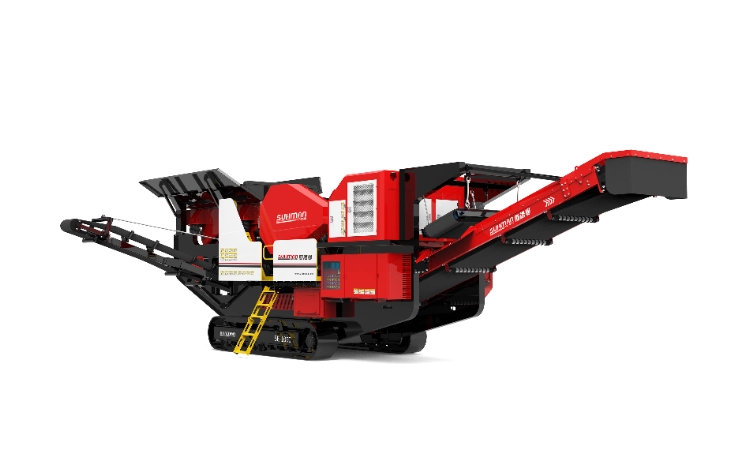



When it comes to selecting the right equipment for crushing operations, jaw crushers and impact crushers are two of the most commonly used machines in the mining, quarrying, and construction industries. While both are designed to reduce large materials into smaller sizes, they operate differently and suit different types of materials and applications.
Working Principle
Jaw Crusher
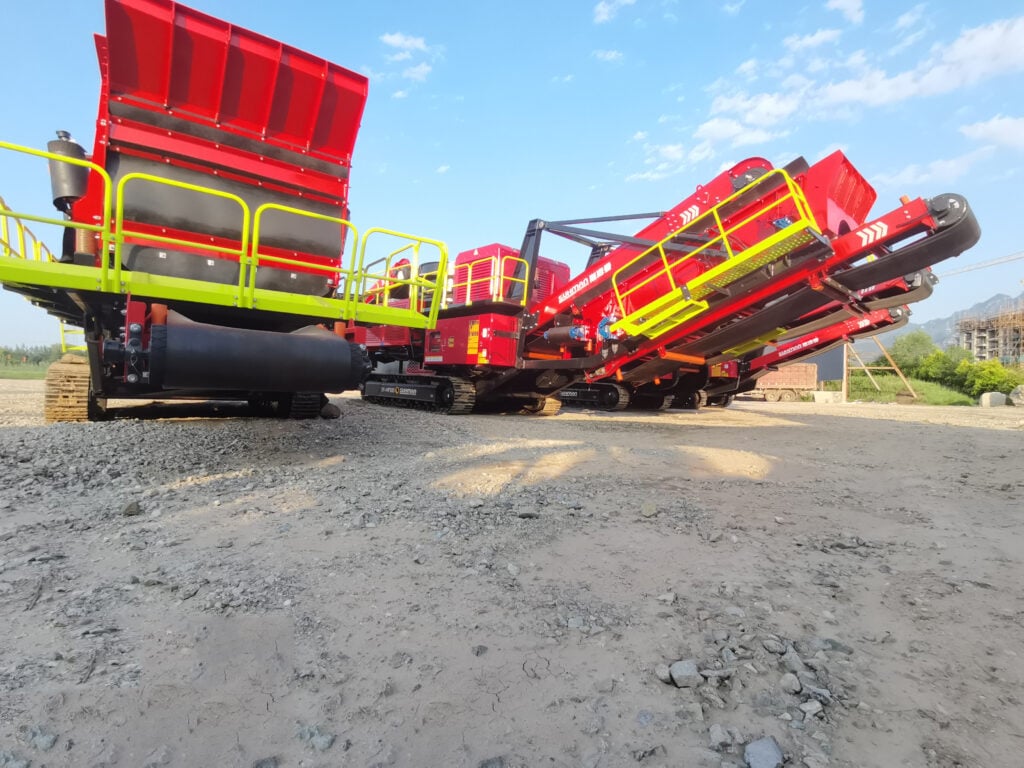
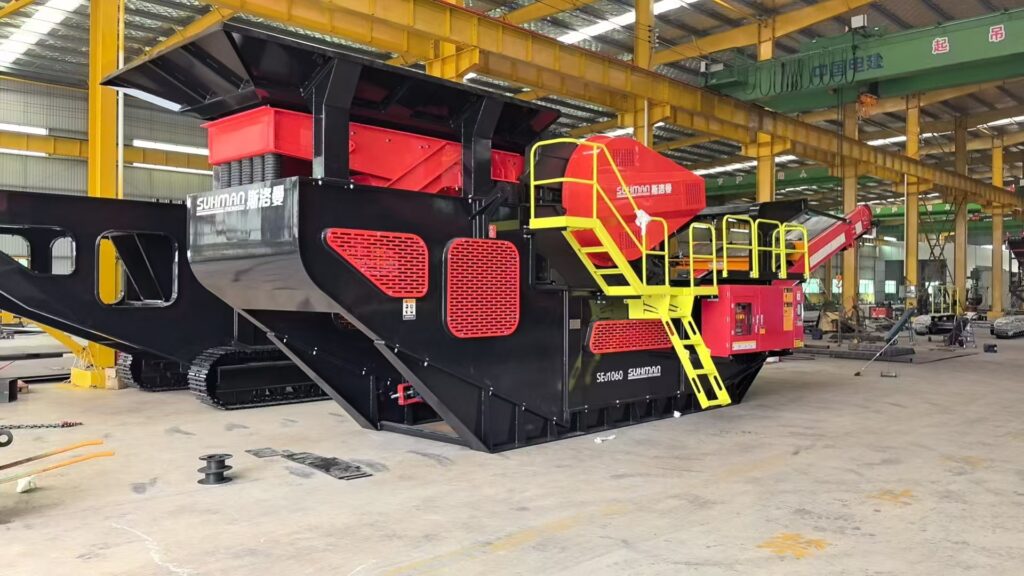
A jaw crusher uses compressive force to break down materials. It features two jaws — one fixed and one that moves back and forth. The material is crushed between the two as the moving jaw applies pressure. This method is ideal for hard and abrasive materials such as granite, basalt, and quartz.
Impact Crusher
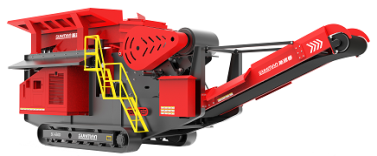
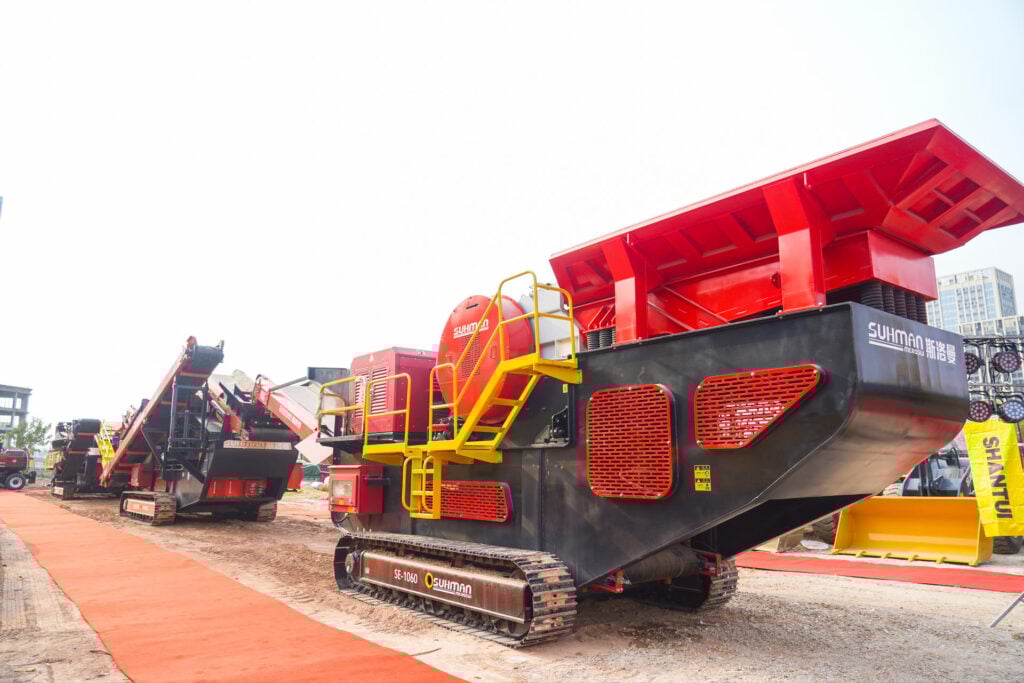
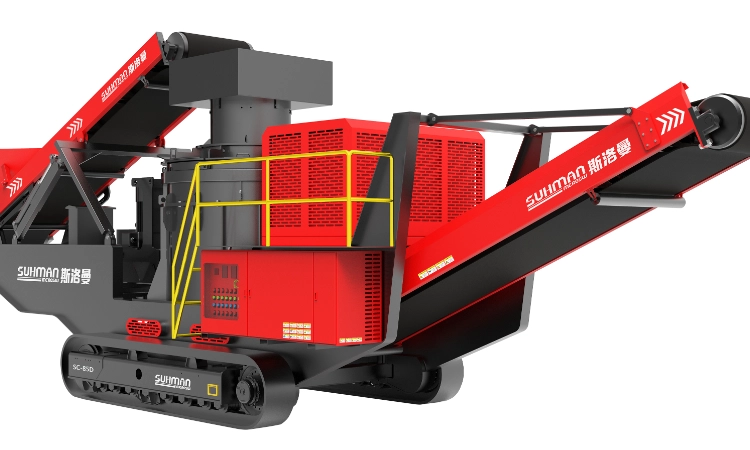
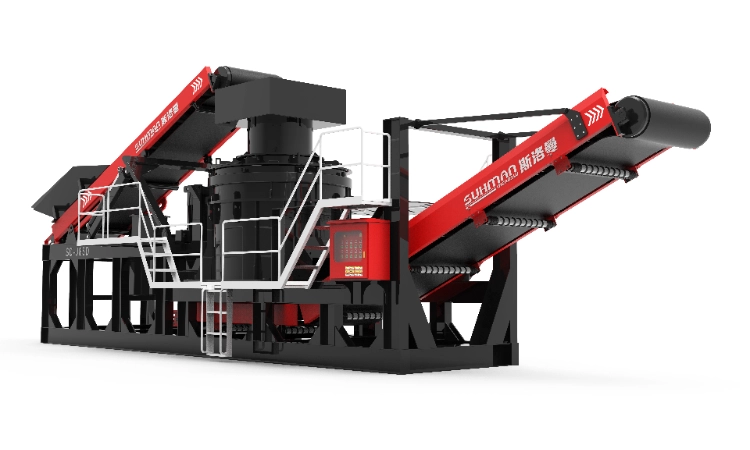
In contrast, an impact crusher uses high-speed impact to break materials. The machine features a rotor that spins rapidly and hurls the material against impact plates. The resulting force fractures the material into smaller pieces. It’s more suitable for softer and brittle materials, like limestone, concrete, and asphalt.


Key Differences
| Feature | Jaw Crusher | Impact Crusher |
|---|---|---|
| Crushing Method | Compression | Impact Force |
| Best for | Hard, abrasive materials | Soft to medium-hard materials |
| Output Shape | More angular, uneven | More uniform and cubic |
| Wear & Tear | Lower wear on parts | Higher wear, especially on blow bars and liners |
| Production Rate | Lower throughput | Higher throughput |
| Maintenance | Less frequent, easier | More frequent due to wear parts |
| Initial Cost | Generally lower | Typically higher |
Applications
- Jaw crushers are typically used in primary crushing stages. Their simplicity and durability make them ideal for initial material breakdown in mining or heavy-duty quarry work.
- Impact crushers are commonly used in secondary or tertiary crushing, especially when a finer or more uniform end product is needed, such as in the production of road base or construction aggregates.
Which One to Choose?
The choice depends largely on the material type, final product requirements, and budget.
- Choose a jaw crusher if:
- You’re dealing with hard rock.
- The material includes high abrasion content.
- You prioritize durability and lower maintenance.
- Choose an impact crusher if:
- You want a well-shaped, cubic product.
- Your material is softer or includes recycled concrete.
- You’re focused on higher output and fast material processing.