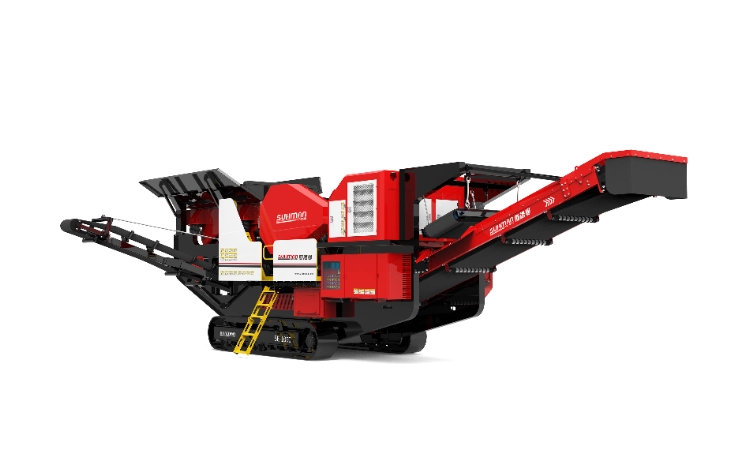



Differences Between Fixed and Mobile Crushing Equipment
Crushing equipment plays a crucial role in mining operations, processing various types of ores and large blocks of soft, medium, and high-hardness materials into different sizes of aggregates. These machines are widely used in industries such as construction, mineral processing, chemical engineering, and transportation. Currently, the market offers a wide range of equipment, mainly categorized into fixed and mobile crushers. Both types are commonly used and come with their own advantages and disadvantages. The choice between them depends on whether they meet your operational needs, including differences in appearance, internal design, application scope, feeding and discharge size, production line configuration, and overall output.
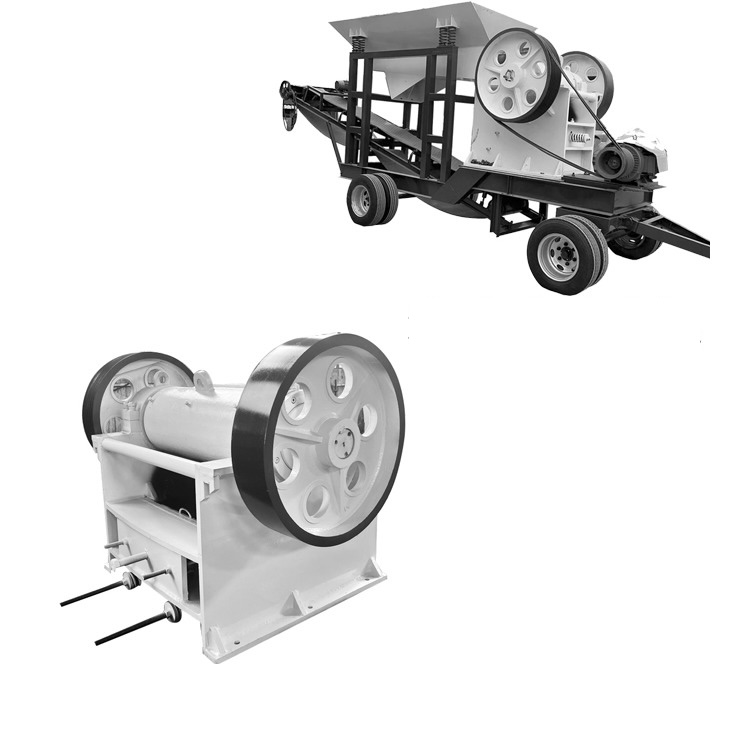
Application Scope
- Fixed Crushing Equipment
Best suited for sites with level ground, large-scale production, and consistent raw material sources. Ideal when there’s no need for frequent relocation. - Mobile Crushing Equipment
Designed for challenging environments such as mountainous terrain, wetlands, and slope operations. Ideal for contractors handling multiple, widely spaced projects that require frequent relocation.
Production Line Configuration
- Fixed Crushing Line
Requires multiple units to work together, including vibrating feeders, crushers, vibrating screens, and conveyors. The configuration is extensive, the production process is longer, but the system is more comprehensive and flexible. - Mobile Crushing Line
Comes with integrated functions such as feeding, primary and secondary crushing, screening, and belt conveying. Equipped with a motor and control box, it offers better integration and simplifies the overall workflow.
Transportation
- Fixed Crusher
Cannot be transported as a whole unit. Requires disassembly and the use of semi-trailers to be delivered to the work site. - Mobile Crusher
Can be transported as a whole unit simply by coupling with a semi-trailer truck. Suitable for road transport without damaging the pavement. It supports in-place steering, on-road movement, and climbing, making it more convenient. Available in wheeled and tracked versions.
Installation
- Fixed Equipment
Installation must be done piece by piece, requiring foundation piles and concrete base construction. Electrical cables must be connected on-site, resulting in a longer setup period. - Mobile Equipment
Occupies less space and features a support leg or crawler track system. It eliminates the need for concrete foundations, reducing both time and cost. With lower requirements for ground conditions, it cuts installation costs. The system folds for transport and can be quickly deployed on-site. It also includes an independent electrical control system with pre-connected cables from the factory, allowing for fast commissioning without disassembly.