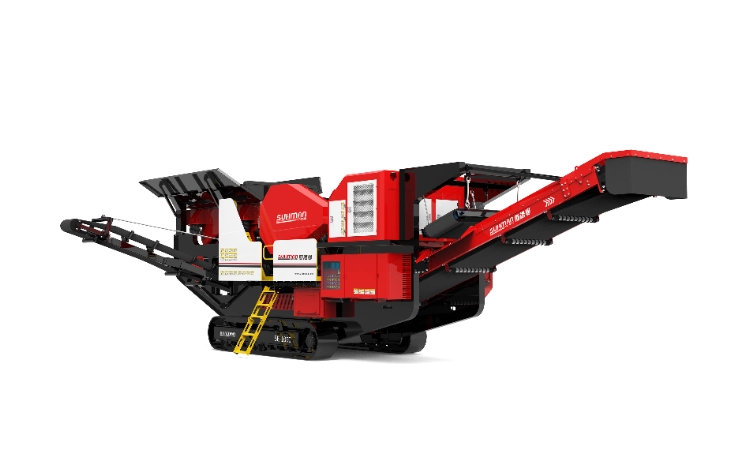



For many quarries, contractors, and mining projects, a 200–400 TPH mobile jaw crusher is the “sweet spot”: big enough for serious production, but still flexible enough to move between jobsites.
If you are comparing suppliers from China and trying to understand the real price level, it’s important to look beyond a single number and focus on configuration, capacity, and lifetime cost.
This guide explains:
- What is usually included in a 200–400 TPH mobile jaw crusher setup
- Key technical factors that drive the price
- Typical configuration examples based on SUHMAN mobile jaw crushers
- What information you should prepare to get an accurate quotation
1. What do we mean by “200–400 TPH mobile jaw crusher”?
In most real projects, “200–400 TPH mobile jaw crusher” can mean two things:
- Single primary mobile jaw crusher around 200–250 TPH
- Example: a crawler-type plant like SE-1060 Mobile Jaw Crusher for Hard Rock
- Jaw size: about 1060 × 700 mm
- Capacity: approx. 200–250 TPH on hard rock
- Application: primary crushing for granite, basalt, river stone, construction waste, etc.
- A complete mobile train reaching 300–400 TPH
- 1 × mobile jaw crusher (primary, 200–250 TPH)
- 1 × mobile cone or impact crusher (secondary)
- 1 × mobile screening plant (2–3 deck)
- Total combined capacity: up to 300–400 TPH, depending on rock type and final sizes.
- 1 × mobile jaw crusher (primary, 200–250 TPH)
_WH_750x450px.webp)


Because of this, there is no single “standard price”. You are usually comparing:
- One primary mobile jaw plant (lower investment, used as a feeder to fixed or other mobile units), or
- A full mobile crushing & screening line designed to deliver 200–400 TPH finished products.
2. Main factors that affect the price
When you ask for the price of a 200–400 TPH mobile jaw crusher, the manufacturer will evaluate several technical points before quoting:
2.1 Jaw crusher size & capacity
- Inlet size (for example 1060 × 700 mm)
- Maximum feed size (up to 600–700 mm for hard rock)
- Rated capacity (e.g. 200–250 TPH for SE-1060 on hard rock)
A larger jaw, heavier frame, and higher installed power will always cost more, but:
- Better for very hard rock and large feed
- More room for future capacity upgrades
2.2 Chassis & mobility
For tracked mobile jaw crushers, price is strongly influenced by:
- Type and size of track chassis
- Overall transport weight (for example around 40–45 t for a 200–250 TPH unit)
- Ground clearance and travel speed for moving inside the quarry
A stronger undercarriage with heavy-duty track motors costs more, but is safer for steep ramps, soft ground, and long-term mining use.
2.3 Feeder, hopper & conveyors
A true production-class plant integrates:
- Vibrating feeder with proper length and width (e.g. 4000 × 1100 mm)
- 3 m³ or larger hopper with suitable feeding height for wheel loaders or excavators
- Main discharge conveyor with enough width and stacking height
- Optional side-discharge conveyor for bypass material
Heavier and wider conveyors require more steel and stronger motors, which also impact price.
2.4 Power system: diesel, hybrid or electric
You can usually choose:
- Diesel-only: traditional and independent from grid power
- Diesel + generator set powering the crusher and auxiliaries
- External electric power (or diesel-electric hybrid) where grid power is available
Hybrid or fully electric systems may have a higher initial price, but can reduce fuel cost significantly on long-term projects.
2.5 Optional equipment
These options will increase the purchase price but may pay back quickly:
- Magnetic separator for removing rebar and steel
- Dust suppression system (spray bars, pump, etc.)
- Remote control for moving and operating the plant
- Central lubrication system
- Telematics / remote monitoring
When you compare quotations, check which options are included instead of just looking at the headline price.
3. Example: 200–250 TPH mobile jaw crusher for hard rock
To make the discussion more concrete, let’s take a typical configuration similar to SE-1060 Mobile Jaw Crusher for Hard Rock:
- Jaw crusher: 1060 × 700 mm, diesel + electric drive
- Capacity: 200–250 tons per hour on hard rock
- Vibrating feeder: approx. 4000 × 1100 mm
- Hopper volume: about 3 m³
- Track-mounted chassis, around 44 t total weight
- Main discharge conveyor, tail conveyor, and magnetic separator configured for quarry duty
This kind of plant is suited for:
- Granite & basalt hard rock quarries
- Limestone mines with high output requirements
- Urban construction waste recycling where high mobility is needed
- Road and railway projects that require short setup time
In practice, many operators will:
- Use this 200–250 TPH mobile jaw as primary,
- Then feed a mobile cone or impact crusher + 3-deck screen to reach 200–400 TPH final products in multiple sizes (0–5, 5–10, 10–20, 20–31.5 mm).
“On SUHMAN’s SE-1060 mobile jaw crusher, the 1060 × 700 mm inlet and approx. 44 t operating weight are optimized for hard rock applications between 200 and 250 TPH.”
3.1 Example project: 250 TPH granite quarry in Russia
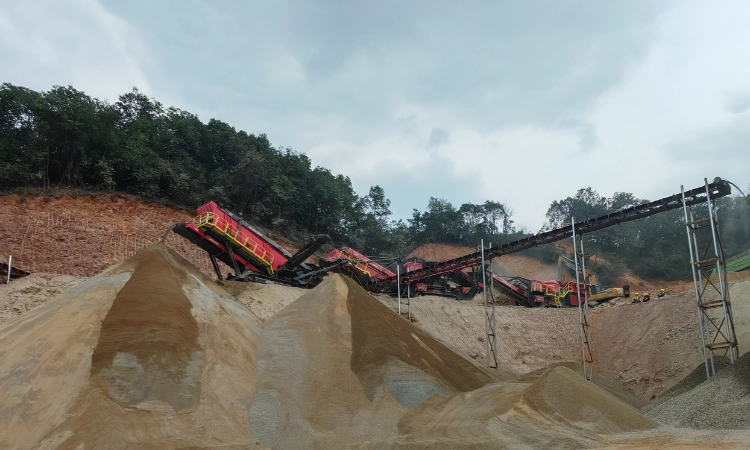
In a recent project in Russia, a contractor needed a continuous capacity of around 200–250 TPH for a granite quarry with variable feed size up to 600 mm. We configured an SE-1060 tracked mobile jaw crusher as the primary unit, combined with a mobile cone crusher and a 3-deck screening plant.
The final setup delivered:
- four commercial aggregate sizes: 0–5, 5–10, 10–20 and 20–31.5 mm
- an average capacity of 230–250 TPH on hard granite
- quick relocation between two working faces in the same quarry
This kind of configuration is typical for hard rock quarries in southern Russia and many markets in Southeast Asia.
4. How much does a 200–400 TPH mobile jaw crusher really cost?
Instead of quoting a random number, it’s more realistic to think in price ranges and configuration levels:
4.1 Single 200–250 TPH tracked mobile jaw plant
Typical use:
- Primary crushing for hard rock
- Feeding fixed secondary line or selling as “raw crushed” product
- Rental fleets or contractors moving between sites
Price is mainly driven by:
- Jaw size (around 1060 mm)
- Steel weight & chassis strength
- Level of automation and options (magnet, dust suppression, remote control)
4.2 Complete 200–400 TPH mobile crushing & screening train
A full train often includes:
- 1 × Mobile jaw crusher (200–250 TPH)
- 1 × Mobile cone or impact crusher (secondary)
- 1 × Mobile screening plant (2–3 deck)
- Conveying and stacking system
This obviously costs much more than a single unit, but replaces a complex fixed plant and civil works.
For greenfield sites, it can shorten project start-up by several months and reduce relocation costs between pits.
- “In our experience, once the capacity goes above 250 TPH on hard granite, most customers prefer to add a separate secondary cone crusher instead of pushing the jaw too hard.”
- “Many of our quarry customers used to operate fixed plants and only switched to a 200–400 TPH mobile setup when they needed faster relocation and lower civil works cost.”
Key takeaway:
A serious 200–400 TPH mobile jaw crushing solution is a long-term investment asset.
Instead of focusing on the lowest purchase price, look at:
- Cost per ton (fuel, wear parts, labor)
- Availability and uptime
- Resale value and rental potential
5. What information do we need to quote your 200–400 TPH mobile jaw crusher?
To give you a clear and realistic price, a professional manufacturer like SUHMAN will usually ask for:
- Material type
- Granite / basalt / river stone / limestone / construction & demolition waste, etc.
- Maximum feed size
- For example: 0–500 mm blasted rock, or 0–700 mm with big boulders.
- Required capacity (TPH)
- Continuous capacity target: 200 TPH? 250 TPH? 350–400 TPH?
- Required final products
- Size fractions (0–5, 5–10, 10–20, 20–31.5 mm etc.)
- Percentage or priority (more sand? more 20–31.5 mm?)
- Power conditions
- Only diesel on site, or grid power available?
- Any limitations on noise or emissions?
- Project location & shipping terms
- Country and nearest port, preferred trade term (EXW / FOB China / CIF).
With this data, the engineering team can:
- Confirm whether a single SE-1060-type jaw plant is enough
- Or design a complete 200–400 TPH mobile train (jaw + cone/impact + screen)
- Then provide a detailed quotation with configuration list and price breakdown
6. Why choose a Chinese OEM like SUHMAN for 200–400 TPH mobile jaw crushers?
Choosing a Chinese OEM manufacturer gives you several advantages:
- Factory-direct pricing without intermediate trading margins
- Flexible customization (hopper size, power system, belt layout, remote control options)
- Full set supply: mobile jaw, mobile cone/impact, mobile screens, plus spare parts
- Global shipping and commissioning support
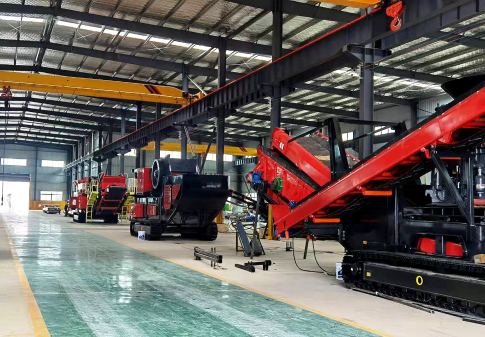
SUHMAN focuses on tracked mobile crushing and screening plants and can design:
- 200–250 TPH primary mobile jaw crushers for hard rock
- Complete 200–400 TPH mobile crushing and screening trains
- Tailor-made solutions for quarry, mining, urban infrastructure, and C&D recycling



7. Get your 200–400 TPH mobile jaw crusher price today
If you are planning a new project or upgrading an existing line, now is a good time to compare options.
You can send us the following in one message:
- Material type & max feed size
- Target capacity (200–250 TPH or full 300–400 TPH line)
- Required final sizes and main application
- Project country and port
Our engineering team will prepare:
- Recommended mobile jaw crusher model(s)
- If needed, complete 200–400 TPH mobile crushing & screening layout
- A detailed quotation with configuration and price, ready for your internal review.
Tell us about your project, and we will help you choose the right 200–400 TPH mobile jaw crusher solution with a competitive factory price.