


Mobile vs. Stationary Crushing Plants: Which is Right for Your 2025 Quarry Project?
Entering 2025, the aggregate and mining industry is facing new challenges: stricter environmental regulations, rising fuel costs, and the need for faster project turnaround times.
At SUHMAN, we receive inquiries every day from clients in Russia, Southeast Asia, and the Middle East asking the same fundamental question:
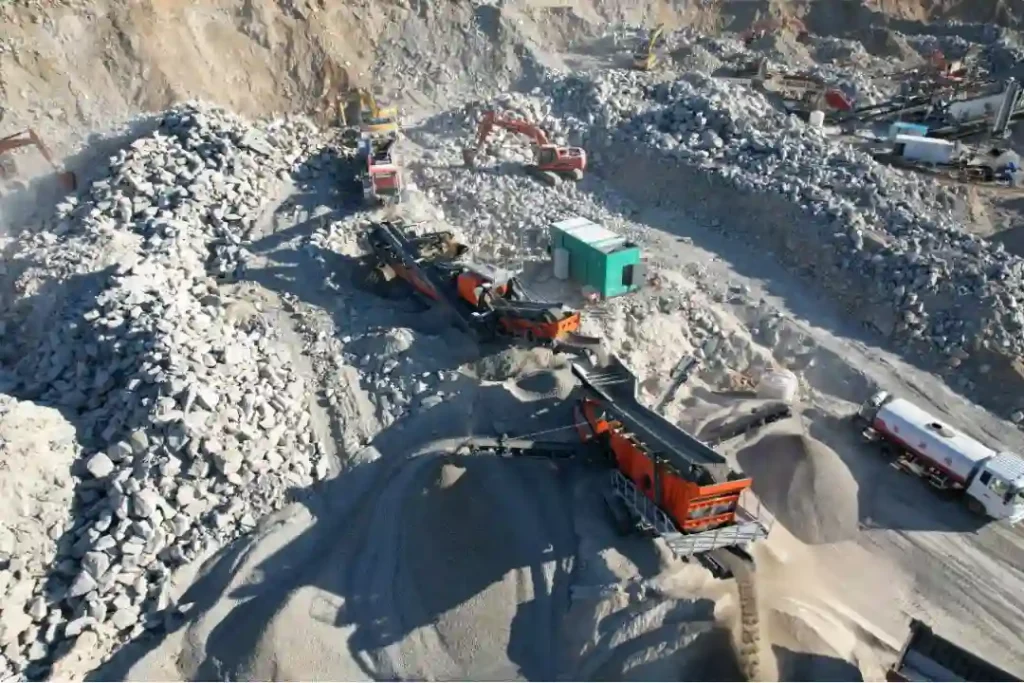
“Should I invest in a traditional Stationary Crushing Plant, or is it time to switch to a Tracked Mobile Crushing Plant?”
The answer isn’t just about the price of the machine—it’s about the Total Cost of Ownership (TCO). In this article, we break down the pros, cons, and hidden costs of both options to help you choose the right setup for your site.
1. The Stationary Crushing Plant: The “Old Guard”
Stationary plants have been the industry standard for decades. They are fixed onto concrete foundations and are designed for long-term operations.
- When it makes sense:
- Super-large reserves: If your mine life is projected to be 15–20+ years.
- Extreme capacity: If you need >500-800 TPH consistently for a single site.
- The Downside (The “Hidden” Costs):
- Civil Engineering Nightmare: You need extensive concrete foundations, steel structures, and retaining walls. This can take 3–6 months to build and costs a fortune before you crush a single stone.
- Inflexibility: Once installed, it cannot move.
- Haulage Costs: As the mining face moves further away, your dump trucks have to travel longer distances to bring rock to the crusher. This increases fuel consumption and driver wages significantly.
2. The Mobile Crushing Plant: The Agile Solution
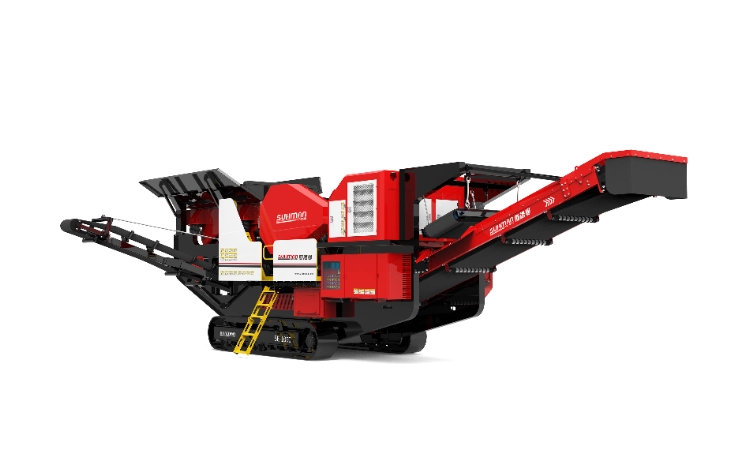
This is where SUHMAN specializes. Tracked mobile plants (like our Jaw, Cone, and Screen series) carry all equipment on a compact chassis with a crawler system.
- Key Advantages for 2025 Projects:
- Zero Civil Works: No concrete foundations required. Drive it off the trailer, unfold the conveyors, and start crushing.
- Rapid Deployment: We can have a SUHMAN mobile train (Jaw + Cone + Screen) running within 24–48 hours of arriving at your site.
- “Follow the Face”: The crusher drives directly to the blast site. You eliminate the need for long-distance truck hauling, reducing your material transport cost by up to 50%.
- Resale Value: When the project ends, you can drive it onto a low-bed trailer and sell it or move it to the next job site. A stationary plant is often just “scrap metal” once the project is over.
3. Comparative Analysis: Where is the Money Saved?
Here is a quick comparison based on our data from client sites in Kazakhstan and Africa:
| Feature | Stationary Plant | SUHMAN Mobile Plant |
| Installation Time | 3–6 Months | 1–3 Days |
| Civil Work Cost | Very High (Concrete/Steel) | Zero / Minimal |
| Transport Cost (OpEx) | High (Trucks must drive far) | Low (Crusher moves to rock) |
| Flexibility | None | High (Multi-site use) |
| Electricity Requirement | Grid Power Mandatory | Diesel-Hydraulic / Hybrid |
4. Why 2025 Trends Favor Mobile Plants
The market is shifting towards flexibility.
- Short-term Contracts: Many road construction and infrastructure projects last only 1–3 years. A stationary plant offers no ROI (Return on Investment) here.
- C&D Recycling: The booming Construction & Demolition waste sector requires mobility to process concrete and asphalt on urban demolition sites. SUHMAN mobile plants are equipped with magnetic separators specifically for this purpose.
- Complex Terrain: In mountainous regions or remote areas where electricity is scarce, a self-powered tracked mobile crusher is often the only viable solution.
5. SUHMAN’s Verdict: What Should You Choose?
Choose Stationary if:
You have a guaranteed 10+ year mine life, stable grid power, and don’t mind a 6-month setup period.
Choose SUHMAN Mobile Plants if:
- You want to start producing cash flow immediately (within days, not months).
- You want to avoid expensive concrete civil works.
- You work on medium-sized quarries, road construction, or recycling projects.
- You want a machine with military-grade manufacturing quality that holds its value.
Get a Free Flowchart & Quotation:
Send us your material type (e.g., Granite, Limestone) and required capacity (TPH). We will design a customized Mobile Crushing & Screening Solution for you within 24 hours.